What Happens to Your Scalp as You Age: How Supplements Can Help
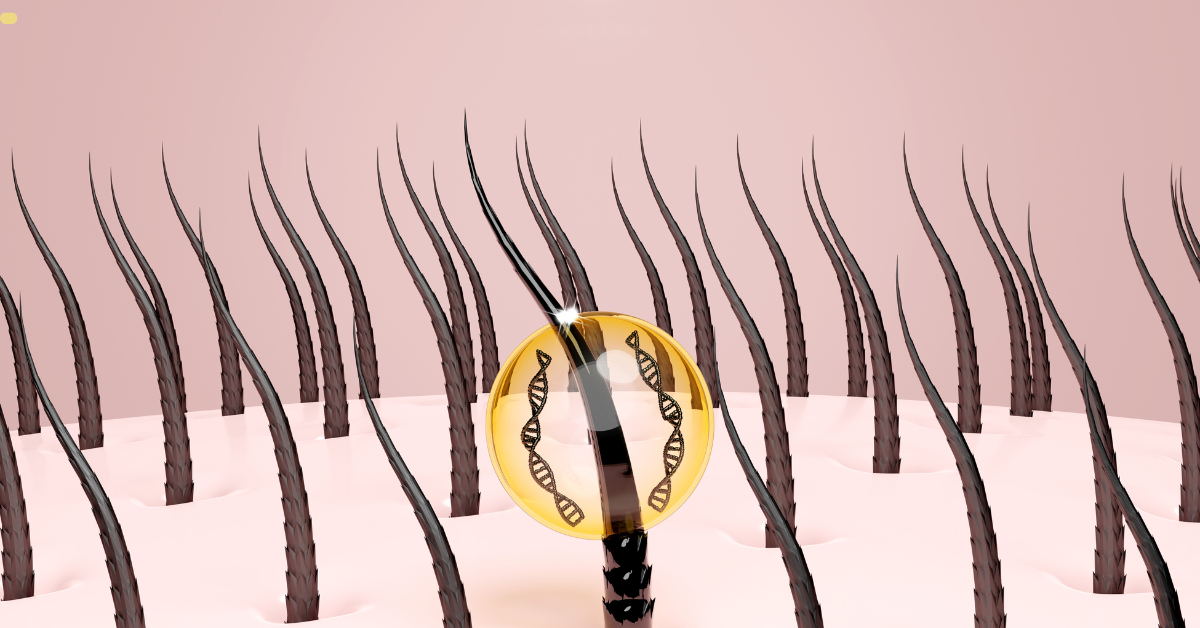
When we think about hair changes, we usually focus on the strands. But in reality, your scalp is where everything starts. Just like the skin on your face, the scalp slowly changes with age, and those changes can directly affect how your hair grows, feels and looks. Here’s what really happens beneath the surface, and how the right nutritional support can help.
Your scalp changes before your hair does
As we get older, several natural processes start to slow down.
Blood circulation in the scalp becomes less efficient.
This means hair follicles receive fewer nutrients and less oxygen, both of which are essential for healthy growth.
At the same time, the scalp produces less protective oil, which can lead to:
-
dryness,
-
increased sensitivity,
-
and a weaker scalp barrier.
The skin of the scalp also gradually loses elasticity and structural support, making the environment around the follicle less resilient.
All of this happens quietly, long before we notice visible thinning.
How aging affects the hair growth cycle
Hair grows in cycles.
-
Anagen – the active growth phase
-
Catagen – the transition phase
-
Telogen – the resting and shedding phase
With age, the growth phase tends to become shorter, while the resting phase becomes longer.
Over time, each new hair can also grow back thinner and weaker.
This is one of the main reasons why many people notice:
-
reduced volume,
-
slower regrowth,
-
and increased shedding as they get older.
Why the scalp needs more support over time
Hair follicles are some of the most active cells in the body.
They constantly require:
-
amino acids,
-
vitamins and minerals,
-
and support against oxidative stress.
As the body ages, both nutrient absorption and cellular renewal can become less efficient. Even with a balanced diet, the scalp may not always receive everything it needs to function at its best. This is where targeted supplementation can play a supportive role.
How supplements can help support an aging scalp
A well-designed hair supplement focuses on supporting the biology of the scalp, not just the appearance of hair.
Key areas of support include:
Structural building blocks
Hair is built from proteins. Nutrients that provide amino acids and sulfur help support the formation of strong hair fibers and healthy scalp tissue.
Nutrient metabolism inside the follicle
B-vitamins, such as biotin, help the body efficiently use nutrients needed for rapid cell division in the hair root.
Protection from everyday stress
Antioxidant vitamins and trace minerals help protect scalp cells from oxidative stress and environmental pressure.
Scalp balance and comfort
Nutrients involved in skin health support the scalp barrier, hydration and overall comfort, helping create a better environment for growth.
Where NOA Hair fits into your routine
NOA Hair is formulated to support:
-
hair fiber formation,
-
scalp skin health,
-
nutrient delivery to the follicle,
-
and long-term hair resilience.
It works best when combined with:
-
a balanced diet,
-
consistent sleep,
-
stress management,
-
and gentle hair and scalp care.
Supplements are not a quick fix, they are designed to support your body’s natural processes over time.
When can you expect results?
Because hair grows in cycles, visible changes take time.
Most people begin to notice improvements after 8 to 12 weeks of consistent use, such as:
-
improved scalp comfort,
-
reduced shedding,
-
stronger and more resilient hair over time.
Consistency is key.
Final thoughts
Healthy hair doesn’t start with styling products. It starts with the scalp. As the scalp naturally changes with age, supporting it from within becomes more important than ever. By providing the nutrients your follicles rely on, supplements can help maintain a healthier scalp environment, and support stronger, better-looking hair for the long term.
FAQ
Is scalp aging normal even if I don’t have visible hair loss?
Yes. Changes in the scalp usually start before visible thinning appears. Circulation, oil production and skin structure can gradually decline even when hair still looks full.
Can supplements really improve scalp health?
Supplements cannot change genetics or completely stop aging, but they can help support the biological processes your scalp depends on, such as nutrient delivery, cell renewal and skin barrier function.
How long does it take to notice results from a hair supplement?
Because hair grows in cycles, most people need around 8-12 weeks of consistent use before noticing changes such as improved scalp comfort, reduced shedding or stronger-feeling hair.
Do I still need a good diet if I take a hair supplement?
Yes. Supplements are designed to support your routine, not replace healthy nutrition. A balanced diet, together with supplementation, creates better conditions for long-term scalp and hair health.
Can supplements help with dry or sensitive scalp as I age?
Certain nutrients support skin hydration, barrier function and overall scalp comfort. This can be especially helpful as natural oil production decreases with age.
Is it better to start supporting my scalp early, or only when I notice thinning?
Supporting the scalp earlier can help maintain a healthier environment for hair growth. Many people choose to start before visible thinning becomes noticeable.
Should I stop using my hair supplement once I see results?
Hair and scalp health depend on ongoing biological processes. For long-term support, consistency is important, especially as age-related changes continue over time.