How Hormones Influence Hair Health
Hair health is influenced by many internal factors, and one of the most important, yet often overlooked is hormonal balance. Hormones regulate a wide range of processes in the body, including the hair growth cycle. Even subtle changes can affect how hair grows, sheds and maintains its structure over time.
How hormones affect the hair growth cycle
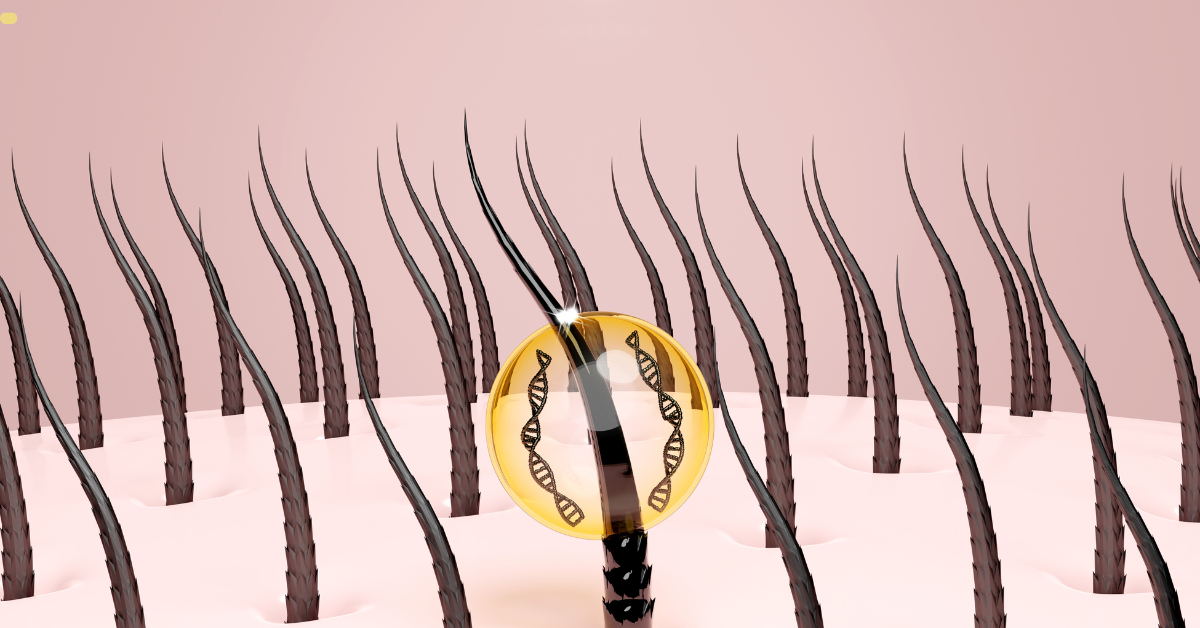
Hair grows in a natural cycle consisting of growth, transition and resting phases. Hormones help regulate how long each phase lasts. When hormonal balance is stable, hair follicles tend to follow a consistent growth rhythm. However, changes in hormone levels may influence how many follicles enter the shedding phase at the same time.
Common hormonal influences
Several hormones play a role in hair health:
- Estrogen supports the growth phase of hair
- Cortisol, linked to stress, may affect hair shedding
- Thyroid hormones influence overall hair growth and density
Changes in these hormones can occur during different life stages or as a result of lifestyle factors.
Supporting hormonal balance
While hormonal changes are a natural part of life, overall wellbeing can support how the body adapts to them.
This includes:
- balanced nutrition
- regular sleep
- stress management
- consistent daily routines
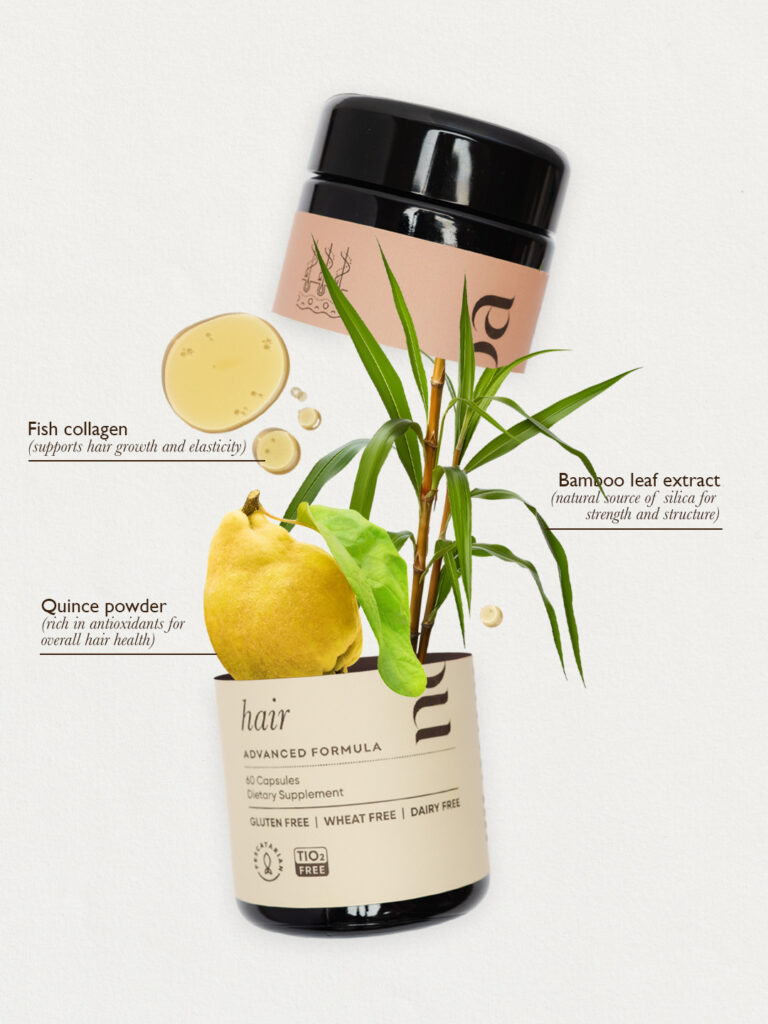
Hair follicles rely on nutrients involved in cellular activity and protein synthesis, which is why many people include targeted supplements such as NOA Hair as part of their routine.
Final thoughts
Hormones play a key role in how hair grows and changes over time. Supporting overall balance within the body helps maintain the conditions needed for healthy-looking hair.
FAQ
Can hormonal changes affect hair growth?
Yes, hormones play a role in regulating the hair growth cycle, which can influence how hair grows and sheds over time.
Which hormones are most connected to hair health?
Estrogen, cortisol and thyroid hormones are among the most commonly associated with hair growth and balance.
Is hair change during hormonal shifts normal?
Yes, it is common for hair to change during different life stages or periods of hormonal fluctuation.
Can lifestyle support hormonal balance?
Balanced nutrition, sleep and stress management can help support overall wellbeing, including hormonal balance.