Why Hair Texture Changes Over Time
Understanding Why Your Hair May Feel Different as the Years Go By
Your hair at 25 probably won’t look exactly the same at 45, and that’s completely normal.
While we often expect our skin to change over time, we don’t always expect the same from our hair. Yet many people notice that their hair gradually becomes finer, drier or more difficult to style, even though they haven’t dramatically changed their routine. Rather than signalling that something is wrong, these gradual changes often reflect the way our bodies naturally evolve throughout life.
Hair is constantly renewing itself
Although each strand of hair may seem permanent, it is actually part of a continuous cycle of growth, rest and renewal. Every hair grows from a follicle beneath the scalp. These follicles are living structures that rely on normal cellular activity to produce new hair. As the body changes with age, the activity within the follicle can also change, which may influence the characteristics of the hair it produces. This is one of the reasons why many people notice gradual differences in texture rather than sudden changes.
Why does hair become finer?
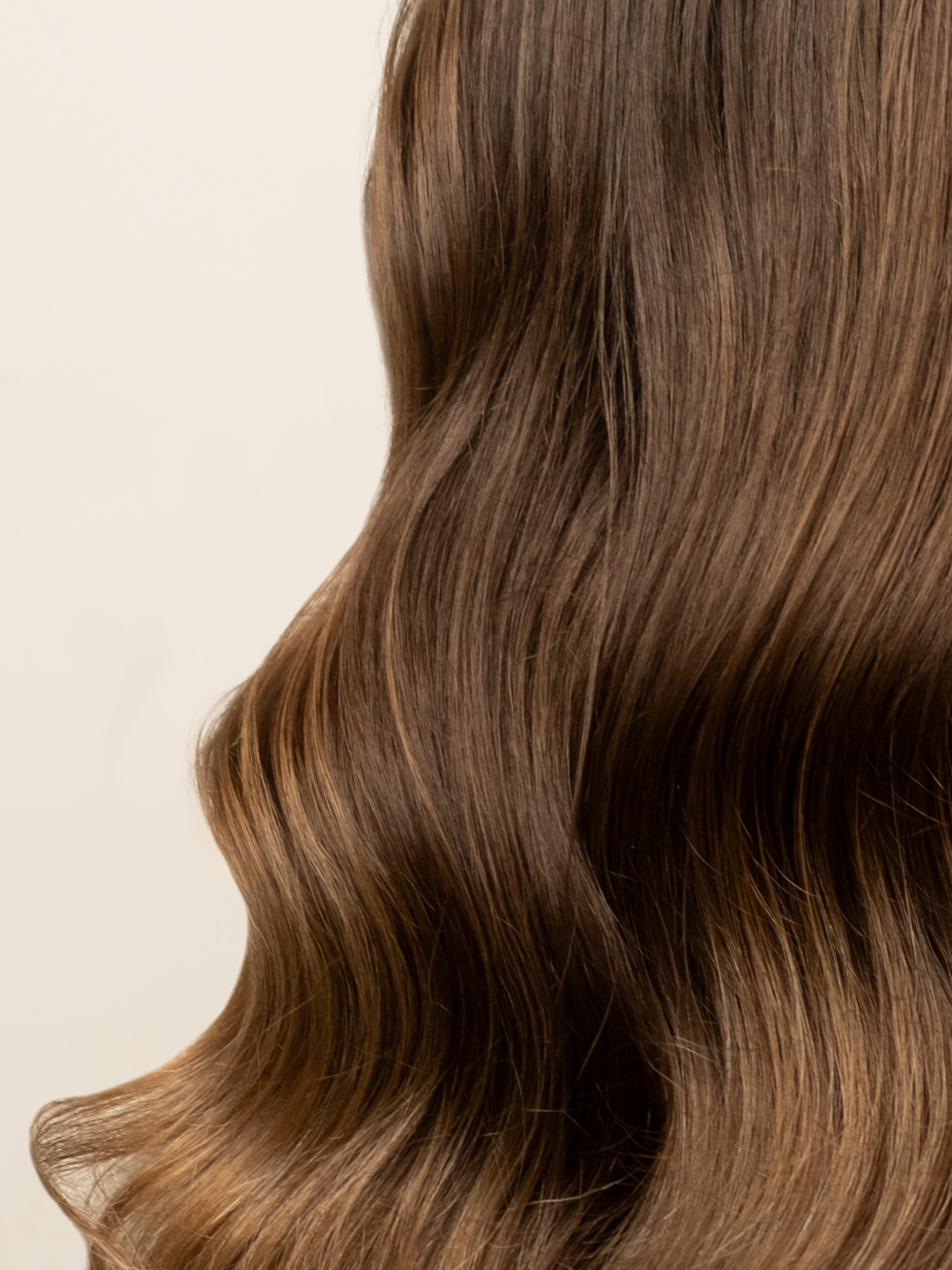
One of the most common changes people experience is a reduction in hair thickness. As we get older, some follicles naturally begin producing finer strands than they did before. This doesn’t necessarily mean there are fewer hairs growing, it simply means each individual strand may have a smaller diameter, making the hair appear less full.
Lifestyle factors can also contribute. Daily exposure to heat styling, UV rays, pollution and chemical treatments places repeated stress on the hair fibre, which can make hair appear weaker and less resilient over time.
Why your favourite products may no longer work
Have you ever repurchased a shampoo or conditioner you once loved, only to feel disappointed by the results? In many cases, the product hasn’t changed, your hair has. As hair texture evolves over time, so do its needs. A shampoo that worked perfectly a few years ago may no longer provide the same level of hydration, manageability or softness if your hair has become finer, drier or more porous. Seasonal changes, environmental exposure, hormonal shifts and everyday styling habits can all influence how your hair behaves. Because of this, it’s completely normal for your routine to evolve as well. Rather than searching for a single “perfect” product, it can be more helpful to view hair care as something that adapts alongside you.
Hormones also play a role
Hair texture is closely connected to hormonal balance throughout life. Many people notice changes during significant life stages, such as pregnancy or menopause, while others observe gradual differences that develop over several years. Hormones help regulate the hair growth cycle and influence the activity of the follicles, meaning that natural hormonal fluctuations can affect how hair feels, grows and responds to styling. These changes are a normal part of the body’s evolution and vary from person to person.
The scalp influences the hair you see
When discussing hair texture, it’s easy to focus only on the visible strand. However, healthy-looking hair begins at the scalp. A balanced scalp provides the environment in which hair follicles function. Supporting scalp health through gentle care, proper hydration and a balanced lifestyle helps create favourable conditions for normal hair growth. Healthy hair is not simply about treating the strand once it has grown, it begins much earlier, beneath the surface.
Looking after hair from within
External hair care products can improve the appearance of the hair fibre, but they cannot replace the nutrients required for normal hair formation. Hair is primarily made of keratin, a structural protein produced within the follicle. The body relies on a variety of nutrients to support the biological processes involved in producing healthy hair.
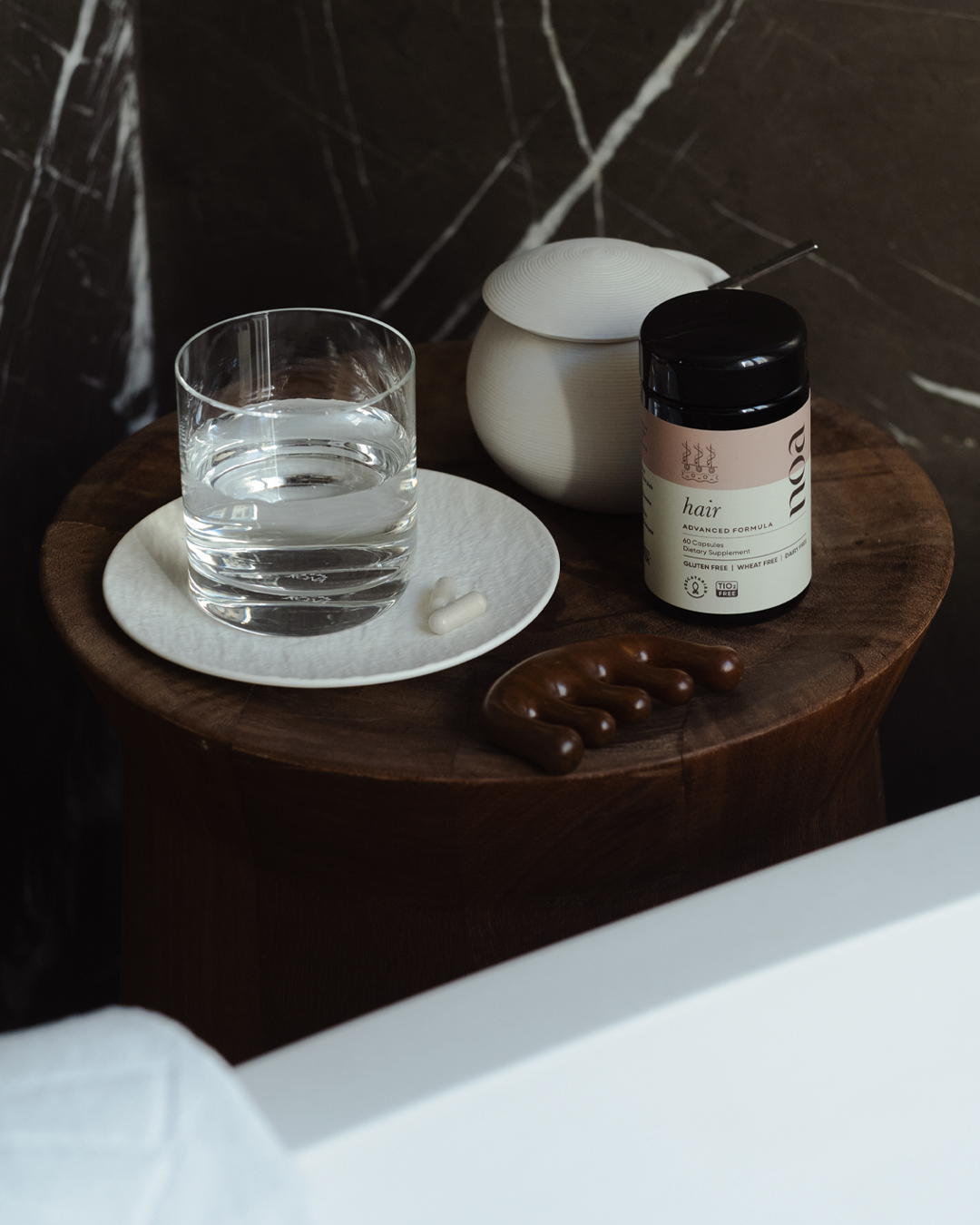
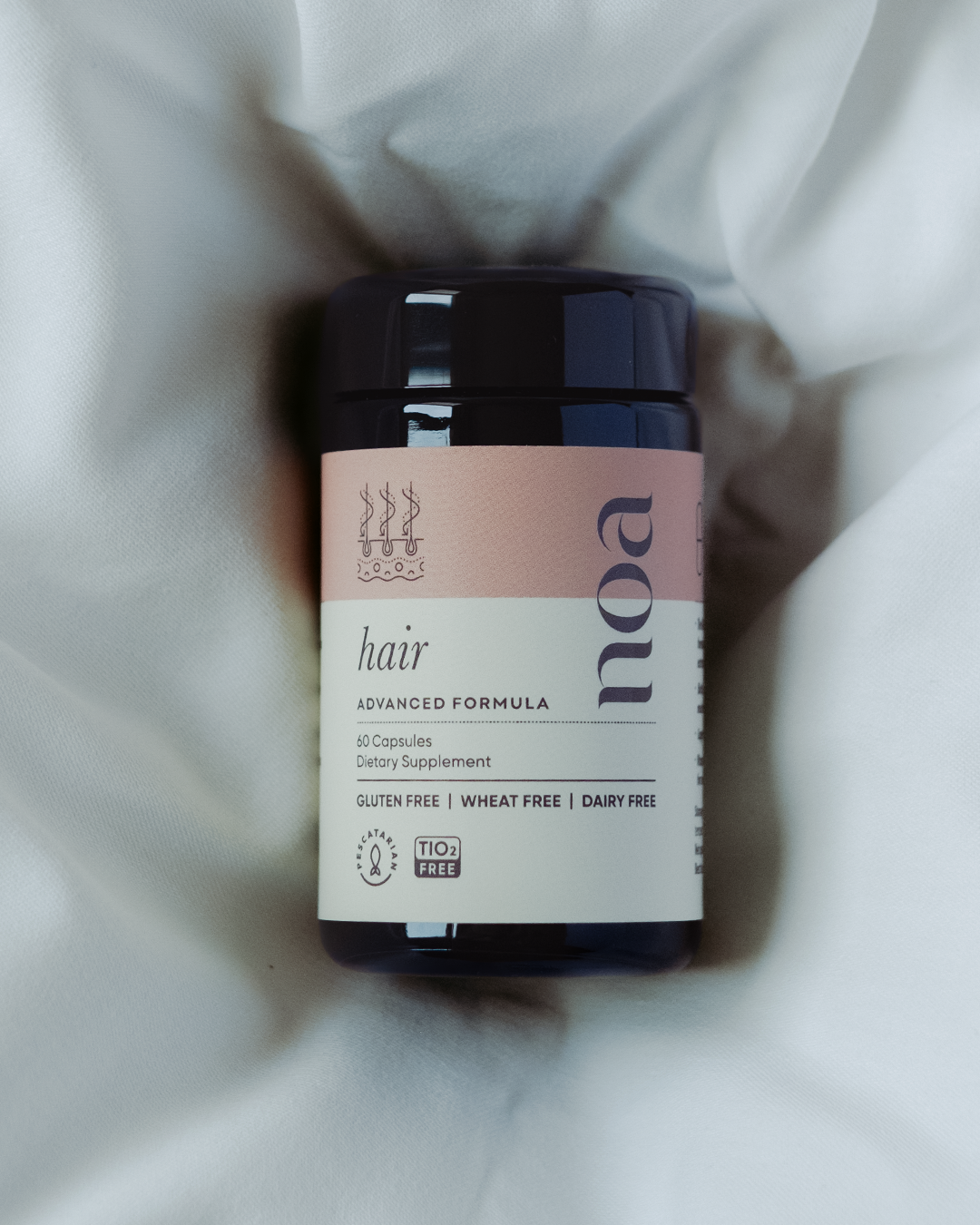
For this reason, many people choose to combine a balanced diet with targeted supplements such as NOA Hair, designed to support healthy-looking hair as part of a consistent wellness routine. Rather than expecting immediate transformation, focusing on long-term support allows the body to maintain the natural processes involved in healthy hair growth.
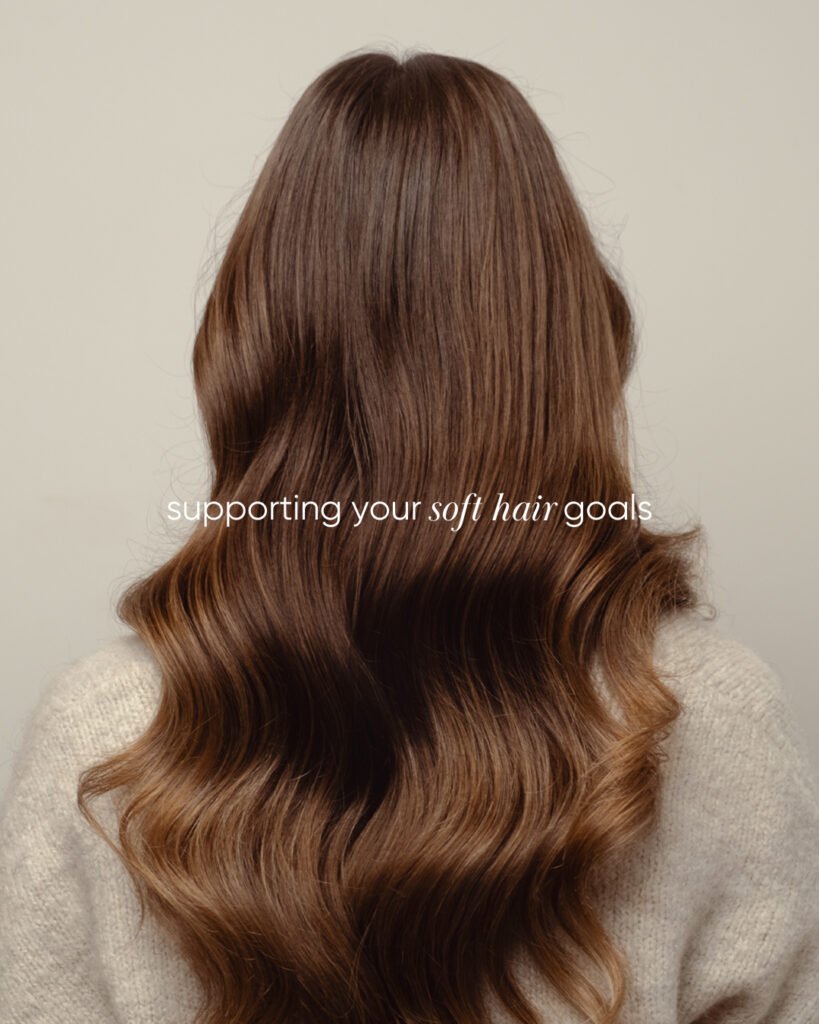
Embracing change while supporting healthy hair
Changing hair texture does not necessarily mean that something is wrong. In many cases, it simply reflects the natural changes that occur throughout life. Understanding why these changes happen makes it easier to adapt your routine and choose habits that support your hair over time. Gentle care, balanced nutrition and patience all contribute to maintaining hair that looks and feels its best.
Final thoughts
Hair changes are a normal part of life. While texture may evolve over the years, consistent care and healthy daily habits can help support the natural processes that contribute to strong, healthy-looking hair. Instead of trying to fight every change, understanding the science behind your hair allows you to care for it in a way that supports its needs at every stage of life.
FAQ
Is it normal for hair texture to change with age?
Yes. Many people notice gradual changes in hair texture over time due to natural ageing, hormonal changes and environmental factors.
Why does my hair feel thinner than it used to?
Hair follicles may naturally begin producing finer strands over time, making hair appear less dense even if the number of hairs remains similar.
Can hormones affect hair texture?
Yes. Hormonal fluctuations can influence the hair growth cycle and contribute to changes in texture, thickness and overall hair appearance.
Does the scalp affect hair quality?
Healthy-looking hair begins with a healthy scalp. The scalp provides the environment where hair follicles grow and function.
Can healthy habits support hair quality?
Balanced nutrition, gentle hair care, adequate sleep and long-term consistency all help support the body’s natural processes involved in maintaining healthy-looking hair.