Hair

Why Healthy Hair Starts Before You See It

09/02/2026

5 min read

Why Healthy Hair Starts Before You See It

What Your Mirror Can’t Tell You About Hair Health

Most of us judge our hair in a matter of seconds. We look in the mirror before leaving the house and decide whether it’s having a “good” or “bad” day. If it feels smooth, shiny and easy to style, we assume it’s healthy. If it’s dry, flat or difficult to manage, we often blame the weather, our shampoo or the last time we picked up a hairdryer. But appearances only tell part of the story.

Hair is unique because, unlike most parts of our body, the strand we see isn’t alive. Once it emerges from the scalp, it can be protected, conditioned and styled, but it can no longer repair itself. That means the quality of today’s hair was largely determined long before it became visible. Understanding this simple fact changes the way we think about hair care.

Why healthy hair is never an overnight story

In a world of overnight transformations and instant results, it’s easy to expect hair to change just as quickly. The reality is very different. Every strand takes time to develop before it reaches the surface of the scalp. During this period, the body is already shaping its structure, strength and overall quality. By the time you can see your hair growing, much of that work has already been done. This is why hair rarely reflects yesterday’s routine. More often, it reflects the habits you’ve maintained consistently over the past several weeks or even months.

Your hair remembers more than you think

Hair has an interesting way of telling the story of your lifestyle. Periods of good sleep, balanced nutrition and lower stress don’t always produce immediate visible changes. The same is true in the opposite direction. A stressful month or disrupted routine may not become noticeable until much later. Because hair grows slowly, it acts almost like a timeline of what’s been happening inside the body. This long-term perspective is one reason why patience is such an important part of every hair care journey.

Why external care has its limits

Modern hair care products have come a long way. They can improve shine, reduce frizz, protect against heat and help hair feel softer after every wash. These benefits are valuable, but they work on the hair that has already grown.

No conditioner or serum can change the way a strand was originally formed. This doesn’t make external care less important—it simply highlights that healthy-looking hair is supported from more than one direction. Looking after both the visible hair and the body itself creates a more complete approach than relying on products alone.

Building habits instead of chasing quick fixes

It’s understandable to want immediate results, especially when hair doesn’t look or feel the way we’d like. However, healthy hair is rarely the result of one product, one treatment or one perfect routine. Instead, it usually reflects the accumulation of small choices made consistently over time.

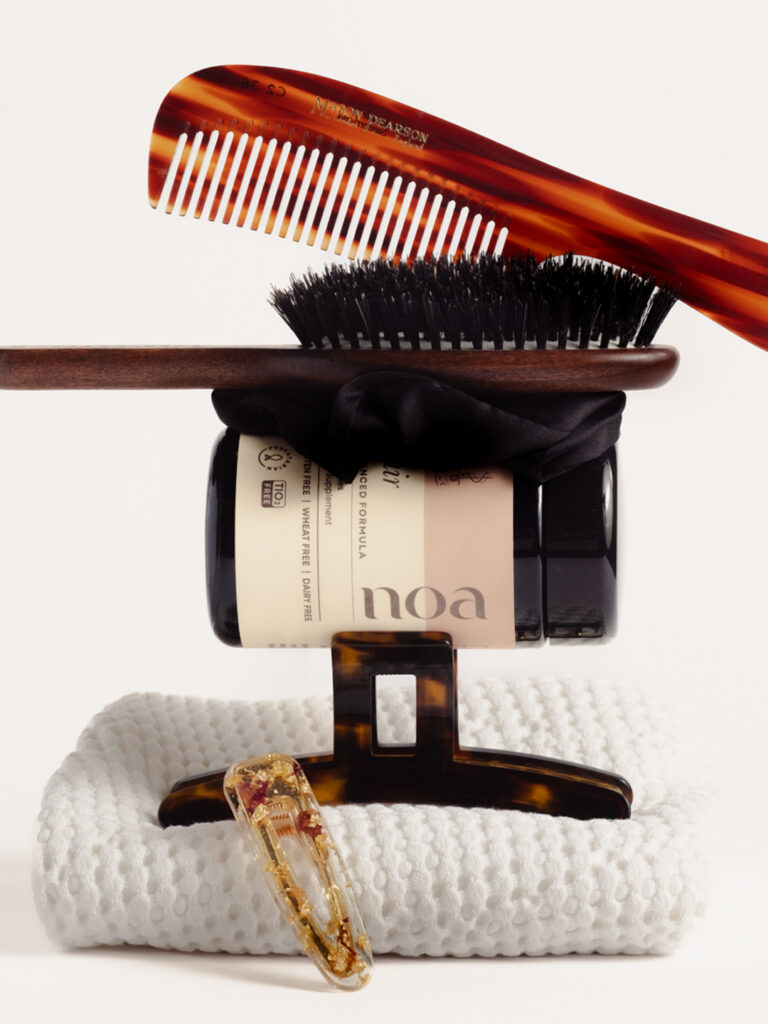
Choosing balanced meals, prioritising rest, managing everyday stress and following a gentle hair care routine all contribute to creating the conditions that support healthy-looking hair. Many people also choose to include supplements such as NOA Hair alongside these habits as part of their long-term wellness routine.
Changing your perspective

Perhaps the most helpful shift is to stop asking, “What can I do for my hair today?” and start asking, “What habits am I building for the months ahead?”

Hair doesn’t reward urgency, it responds to consistency.

Looking after your overall wellbeing may not produce instant transformation, but it supports the natural processes that influence how new hair develops over time.

The bigger picture

Healthy-looking hair begins long before it reaches your brush.

It reflects the body’s ongoing ability to create new hair, supported by everyday habits rather than quick solutions. While styling products can help your hair look its best, lasting hair wellness is built gradually through patience, balance and consistency.

The mirror only shows today’s result. The real work started much earlier.

FAQ

Can hair repair itself after it grows?

No. Once hair grows beyond the scalp, it is no longer living tissue. Hair care products help protect and improve its appearance, but they cannot repair it in the same way living skin can.

Why don’t I see immediate improvements in my hair?

Hair develops gradually beneath the scalp, so visible changes usually take time to appear.

Is healthy hair only about using the right products?

No. External products help care for the hair fibre, while overall wellbeing, nutrition and consistent habits help support the natural processes involved in healthy hair growth.

Why is consistency important for hair health?

Hair reflects long-term biological processes rather than short-term changes, making regular healthy habits more valuable than quick fixes.

Can supplements be part of a healthy hair routine?

Many people choose to include targeted supplements such as NOA Hair alongside balanced nutrition and gentle hair care as part of their overall wellness routine.
Hair

Why Your Hair Feels Different in Autumn

09/24/2026

7 min read

Why Your Hair Feels Different in Autumn

There is a particular moment at the end of summer when everything seems to change at once. The mornings feel cooler. The light disappears earlier. Sandals go back into the wardrobe. And somewhere between the first proper jacket and the return to a more serious routine, you may notice something else: your hair suddenly feels different.

Maybe there is more of it in the shower drain. Maybe your ends feel drier than they did a month ago. Maybe your usual products are no longer doing quite what they used to. It is tempting to blame autumn itself. The reality is a little more interesting.

Autumn Hair May Actually Be Telling a Summer Story

Hair does not always respond to what is happening today. Sometimes, what you see now reflects what happened weeks, or even months earlier. Research has suggested that human hair growth and shedding can show seasonal patterns. In one study involving more than 800 women, the proportion of hairs in the resting, or telogen, phase was highest during summer. Earlier research also observed increased shedding around late summer and early autumn. That does not mean everyone experiences a predictable “autumn shed”, but it does suggest that season can influence the hair cycle in some people.

Which is why September hair can sometimes feel like a delayed message from July. And then there is everything your hair has physically been through. More sunlight. More swimming. More salt water. More chlorine. More frequent washing. More time outdoors.

UV exposure can affect the hair fibre itself, contributing to protein and lipid damage that can make hair feel rougher, drier and more difficult to manage. Chlorinated pool water can also contribute to cuticle and structural damage over time. So when autumn arrives and your hair feels less glossy or more fragile, it may not be because colder weather suddenly changed your hair overnight.

Summer may simply have left a receipt.

More Hair in Your Brush Does Not Automatically Mean Hair Loss

Seeing more hair than usual can be unsettling. But shedding and hair loss are not necessarily the same thing. According to the American Academy of Dermatology, it is normal to shed roughly 50 to 100 hairs a day. Excessive shedding can happen when a larger number of hairs move into the resting phase of the hair cycle at around the same time. True hair loss, on the other hand, involves something interfering with normal hair growth.

That distinction matters. A few more hairs in the shower for a short period does not automatically mean that your hair is becoming permanently thinner. It is also worth remembering that hair rarely responds to one thing in isolation.

Stress, illness, major changes in weight, hormonal shifts and other physical stressors can all influence shedding, often with a delay of several months. So before deciding that “autumn is making my hair fall out”, it is worth looking at the bigger picture. What happened over the last few months? How has your sleep been? Your stress? Your diet? Your health? Your routine? Hair has a surprisingly long memory.

Why Your Texture Can Feel Different Too

Shedding is only part of the autumn hair conversation. Sometimes there is no noticeable increase in hair fall at all. The hair simply feels different. Drier. More tangled. Less shiny. Harder to style. This is where the hair fibre itself comes into the story. Unlike the living follicle beneath the scalp, the visible hair shaft cannot repair itself in the same way living tissue can. Once the cuticle has been weathered by repeated UV exposure, heat, colouring, friction or swimming, the effects can become more obvious over time.

Recent research continues to identify solar radiation as an important source of oxidative damage to the hair fibre, potentially affecting strength, cuticle condition and combability. And once autumn begins, the environment changes again. Outdoor air becomes cooler. Indoor heating eventually returns. You may start blow-drying more often instead of letting hair air-dry. Hats, scarves and coats create additional friction around the lengths. In other words, your haircare routine from July may not be the routine your hair wants in October.

What Autumn Hair Actually Needs

This is probably not the moment for a dramatic 12-step hair reset. A few thoughtful changes usually make more sense. Start by paying attention to the condition of your lengths. If they feel dry or rough after summer, gentler cleansing, consistent conditioning and less aggressive heat styling may be more useful than simply buying more products. Be particularly kind to wet hair. Wet fibres are more vulnerable to mechanical stress, so aggressive brushing, rubbing with a towel or pulling hair into a tight style immediately after washing can add unnecessary damage.

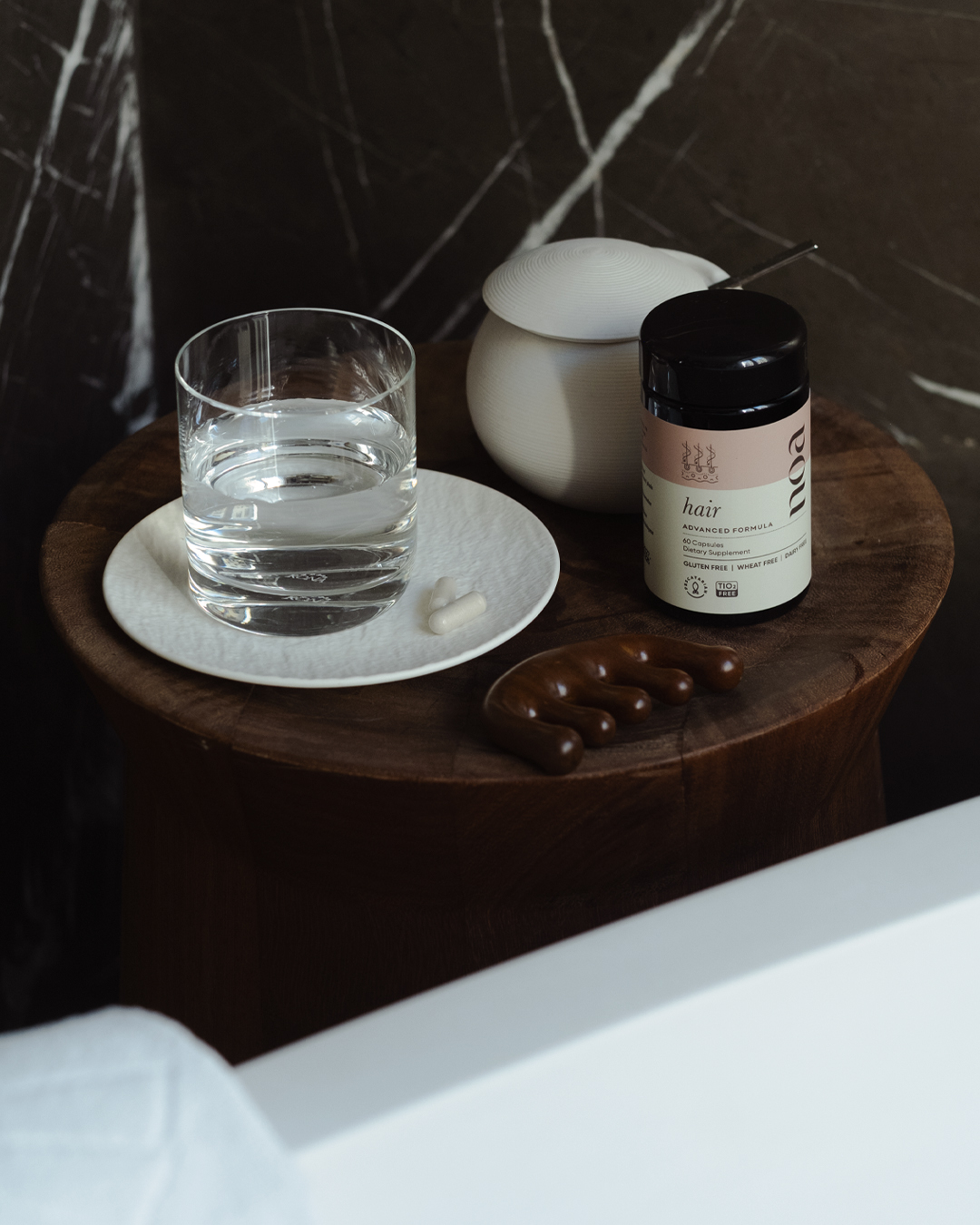
And if you coloured, bleached or spent a lot of time swimming over summer, your hair may benefit from a little more protection than usual. But autumn haircare should not stop at the bathroom shelf. Hair growth takes place inside the follicle, which means the basics still matter: adequate nutrition, sufficient protein, micronutrients, sleep and overall health. Not because one breakfast or one supplement can transform your hair overnight. They cannot. But because hair is part of the body, not an accessory attached to it.

The Seasonal Reset We Actually Like

Autumn has a habit of making us want to start again. New notebook. New routine. New workout. New skincare. New everything. Hair does not need that level of drama. What it often needs is consistency. A gentler routine after summer. Enough time to move through its natural cycle. Support from the inside as well as the outside. And a little patience before assuming that every extra hair in the brush is a sign that something has gone wrong.

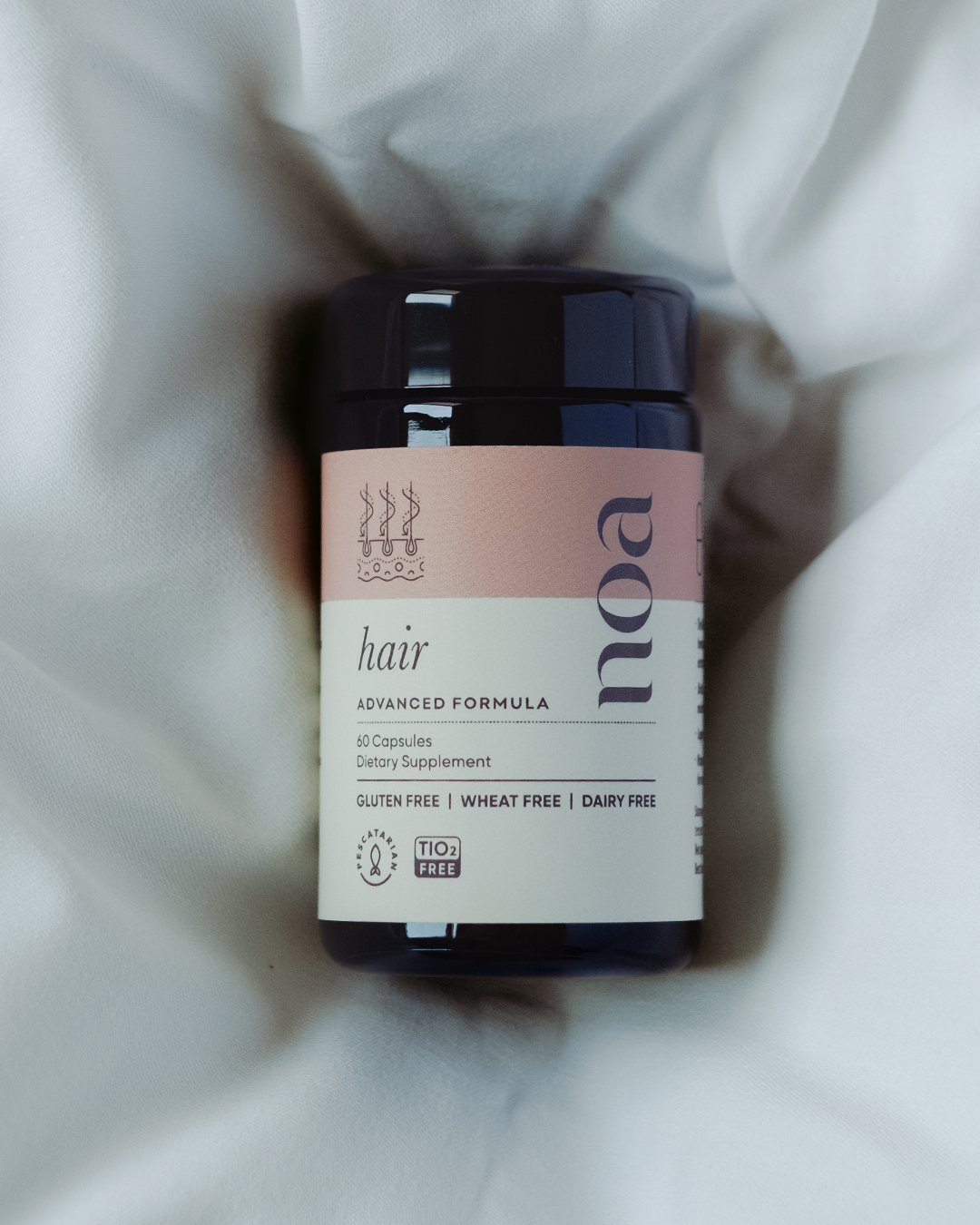
At NOA, we tend to come back to the same idea: hair health is rarely about one single ingredient, product or habit. It is the bigger picture that matters. Which, admittedly, is less exciting than a miracle product. But usually much more useful.

When Should You Pay More Attention?

Seasonal variation can happen, but significant or persistent changes should not automatically be dismissed as “autumn shedding”. If shedding continues for several months, becomes noticeably heavier, is accompanied by visible thinning or bald patches, or you notice changes to your scalp, it is worth speaking with a dermatologist or healthcare professional. The same applies if hair changes appear alongside other symptoms. Because sometimes hair is simply responding to the season. And sometimes it is trying to tell you something else.

FAQ

Is it normal to shed more hair in autumn?
Some research has found seasonal patterns in human hair growth and shedding, with increased shedding reported around late summer and early autumn. However, the pattern varies considerably between individuals and not everyone will notice a seasonal change.

How can I tell the difference between shedding and hair loss?
Shedding refers to hairs naturally leaving the follicle, while hair loss occurs when normal growth is disrupted. Persistent thinning, bald patches or a receding hairline are reasons to seek professional advice.

Can summer damage make my hair feel worse in autumn?
Yes. UV exposure, chlorine, heat and repeated washing can affect the hair fibre, so dryness, roughness or breakage may become more noticeable by the end of summer.

Should I change my hair routine for autumn?
You do not necessarily need a completely new routine. Focus on what your hair is showing you: gentler handling, conditioning, heat protection and reducing unnecessary mechanical damage can be useful if your lengths feel drier or more fragile.