
The Connection Between Sleep and Metabolism
Why a Good Night’s Sleep Is About More Than Feeling Rested
Sleep is often treated as a luxury. In reality, it’s one of the most important biological processes supporting the way our bodies produce and use energy. While nutrition and exercise usually dominate conversations about metabolism, quality sleep quietly works behind the scenes every single night.
What is metabolism?
Metabolism refers to the collection of chemical processes that allow the body to convert food into energy. These processes support everything from breathing and circulation to muscle function and cellular repair. Even while sleeping, your body continues to use energy to maintain these essential functions. A healthy metabolism depends on many factors, including: balanced nutrition, physical activity, hydration, age, genetics, sleep quality. Although metabolism is often discussed in relation to body weight, its primary role is to provide the body with the energy it needs to function every day.
Why sleep matters for metabolism
During sleep, the body carries out important restorative processes that support overall wellbeing. These include: regulating hormones involved in appetite and energy, repairing cells and tissues, restoring energy stores, supporting normal cognitive function. Quality sleep allows these processes to occur efficiently, helping the body maintain its natural balance.
The relationship between sleep and energy
Have you ever noticed that after a poor night’s sleep you feel tired, crave sugary foods or struggle to concentrate? This is because sleep influences many systems involved in energy regulation. When sleep is consistent, people often experience: steadier energy throughout the day improved concentration, better mood, more balanced daily routines Although everyone’s experience is different, quality sleep is widely recognised as an important part of maintaining overall health.
Everyday habits that support better sleep
Improving sleep quality does not necessarily require dramatic lifestyle changes. Small habits can make a meaningful difference over time. Consider: going to bed at a similar time each night, reducing screen time before sleep, creating a relaxing evening routine, keeping the bedroom cool and comfortable, limiting caffeine late in the day. Consistency is often more important than perfection.
Supporting metabolism through daily habits
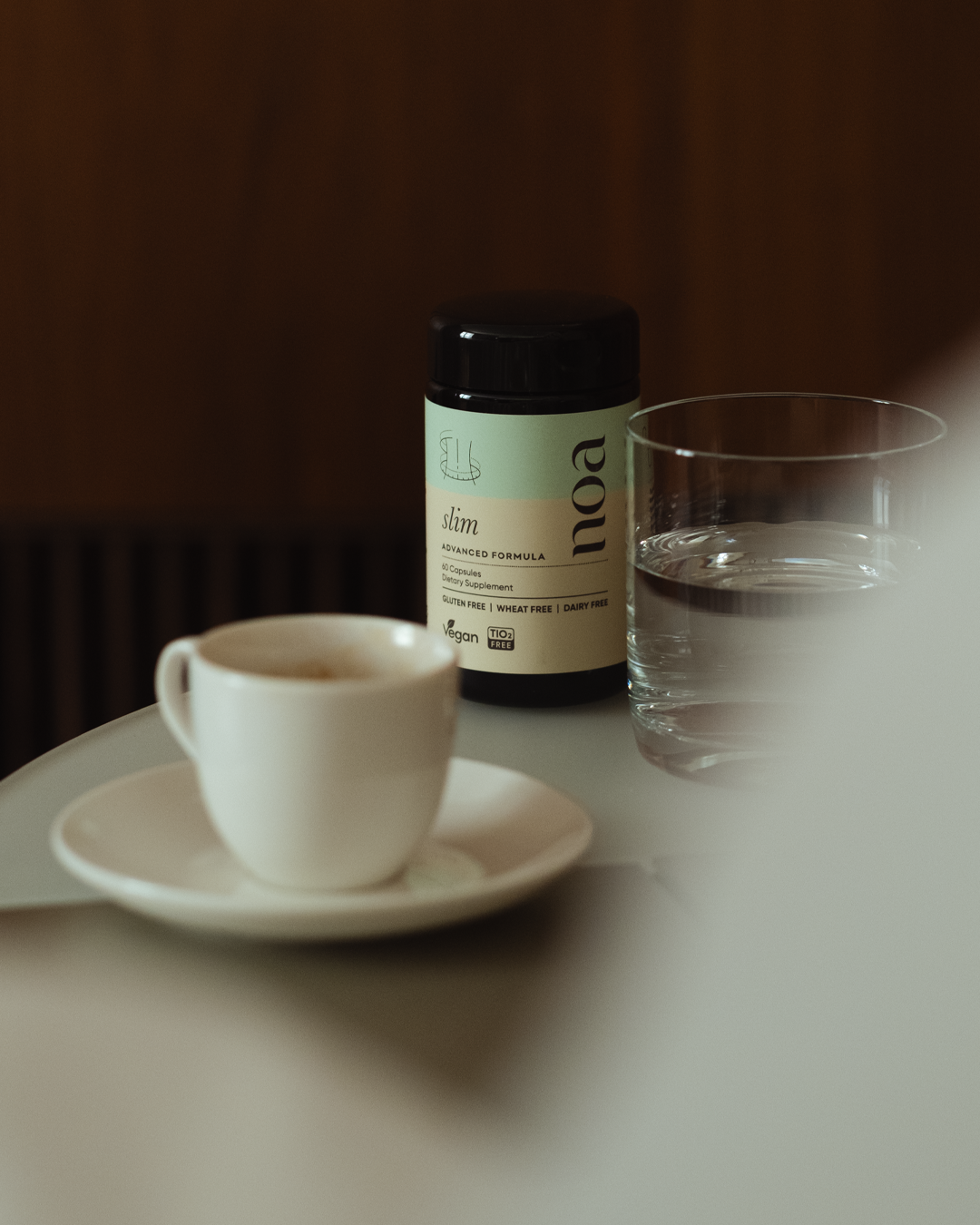
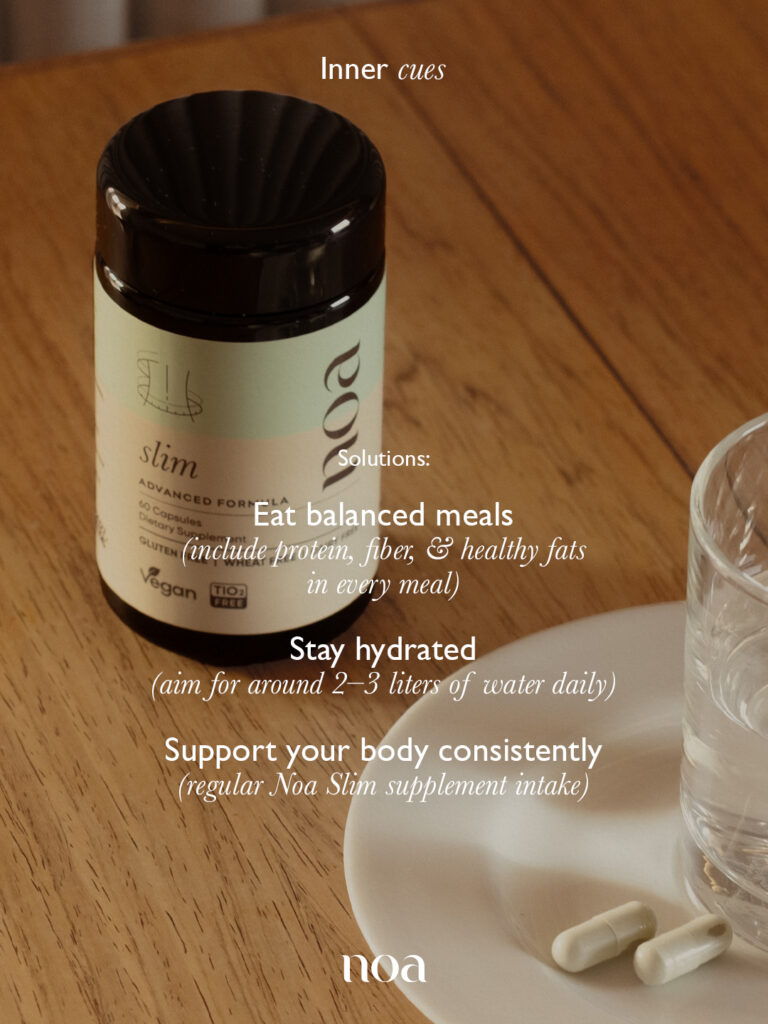
Healthy metabolism is influenced by many aspects of daily life. Alongside quality sleep, supportive habits include: eating balanced meals, staying hydrated, regular physical activity, managing stress, maintaining a consistent daily routine. Some people also choose to include supplements such as NOA Slim as part of a balanced lifestyle designed to support normal energy metabolism. Supplements work best when combined with healthy daily habits rather than replacing them.
Why long-term habits matter
Metabolism is not something that changes overnight. Just as healthy eating and regular movement require consistency, quality sleep also contributes to long-term wellbeing. Small improvements repeated every day often have a greater impact than occasional extreme efforts. Developing sustainable habits helps create an environment where the body’s natural metabolic processes can function efficiently.
Final thoughts
Sleep is one of the foundations of overall health. While it is often overlooked, it plays an important role in supporting the body’s natural metabolic processes, energy production and recovery. By prioritising quality sleep alongside balanced nutrition, movement and healthy routines, you can help support your body’s ability to function at its best every day.
FAQ
Does sleep affect metabolism?
Yes. Sleep supports many biological processes involved in energy regulation, hormone balance and normal metabolic function.
How many hours of sleep do adults generally need?
Most adults benefit from around 7–9 hours of sleep per night, although individual needs may vary.
Can poor sleep affect energy levels?
Yes. Insufficient or inconsistent sleep may contribute to daytime tiredness, reduced concentration and lower energy.
What are simple ways to improve sleep quality?
Maintaining a regular sleep schedule, limiting screen time before bed, creating a relaxing bedtime routine and keeping the bedroom comfortable can all support better sleep.
Can supplements replace healthy sleep habits?
No. Supplements are designed to complement a healthy lifestyle, not replace the benefits of consistent, quality sleep.