Hair Breakage vs Hair Loss: How to Tell the Difference
When changes in hair density or texture appear, many people immediately assume they are experiencing hair loss. However, what often looks like hair loss may actually be hair breakage. Although the two issues can appear similar, they have different causes and require different approaches to support healthier hair. Understanding the difference is the first step toward choosing the right care.
What is hair loss?
Hair loss refers to hair shedding directly from the follicle. This is a natural process that happens as part of the hair growth cycle.
Hair grows in three main phases:
Anagen – the growth phase
Catagen – the transition phase
Telogen – the resting and shedding phase
At any given time, a small percentage of hair is naturally in the shedding phase. However, certain factors such as stress, hormonal changes, lifestyle habits or nutritional imbalances may increase the number of follicles entering this phase. Signs of hair loss may include:
-
increased shedding during brushing or washing
-
noticeable thinning in certain areas
-
a decrease in overall hair density
What is hair breakage?
Hair breakage occurs when the hair strand weakens and breaks along the length of the hair, rather than shedding from the root. This can happen when the hair fibre becomes fragile due to external stress or structural weakness. Common causes of hair breakage include:
-
excessive heat styling
-
chemical treatments
-
dryness or lack of moisture
-
mechanical stress from brushing or tight hairstyles
Unlike hair loss, breakage often results in uneven hair lengths and shorter, fragile strands.
How to tell the difference
A simple way to distinguish between the two is to observe the hair that falls out. Hair that sheds from the follicle usually has a small white bulb at the end. Broken hair strands do not have this bulb and tend to be shorter or irregular. It is also common for both hair loss and breakage to occur at the same time, especially when hair lacks structural support.
Supporting healthier hair
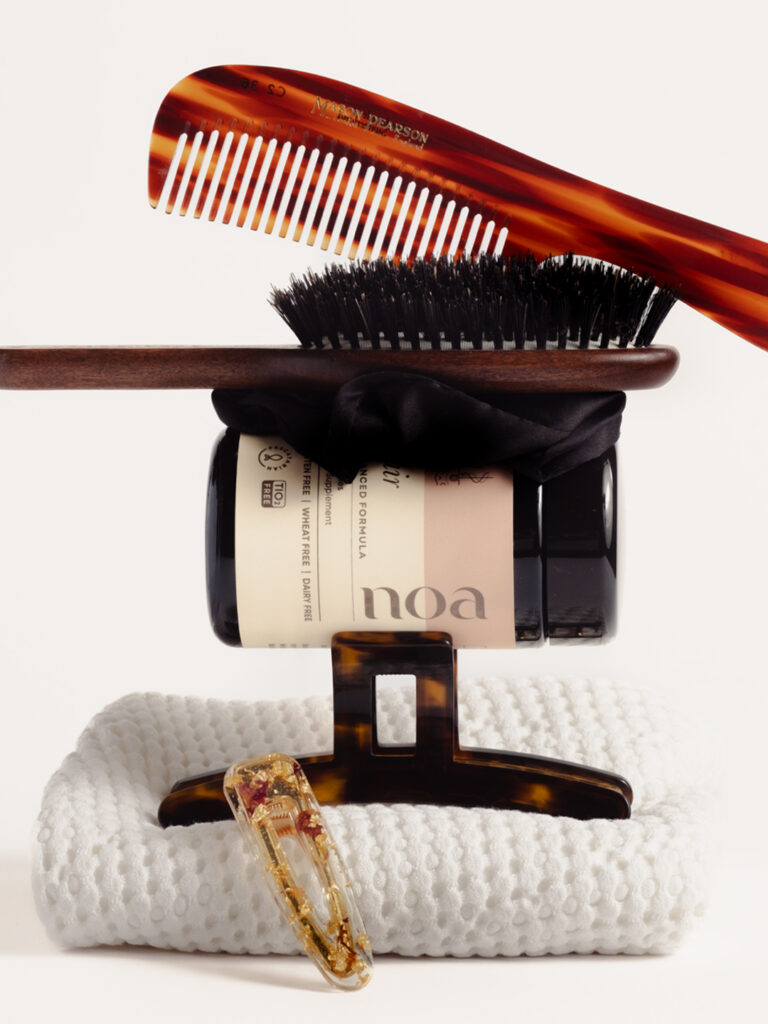
Healthy hair depends on both external care and internal support. Gentle styling, reducing excessive heat exposure and maintaining proper hydration can help protect the hair fibre. At the same time, hair follicles rely on nutrients involved in protein synthesis, cellular renewal and scalp health. Many people choose to support these processes through balanced nutrition and targeted supplements such as NOA Hair, which are designed to support hair from within.
Final thoughts
Understanding whether your concern is hair loss or hair breakage can help guide the right care routine. Hair health is influenced by many internal and external factors, and supporting both the hair fibre and the follicle environment can help maintain stronger, healthier-looking hair over time.