How Hormones Influence Hair Health
Why Your Hair Doesn’t Always Respond the Way It Used To
Have you ever felt like your hair suddenly became different, even though nothing in your routine had changed? The same shampoo you’ve used for years no longer seems to work. Your hair feels less voluminous, harder to style or simply doesn’t look as healthy as it once did. It’s easy to assume that the problem lies in your hair care products, but the explanation is often far more complex.
Hair is constantly responding to what is happening inside the body. While we tend to notice changes only when we look in the mirror, many of them begin long before they become visible. Among the many internal factors that influence hair, hormones play one of the most important roles.
Rather than acting directly on the hair strand itself, hormones help regulate the environment in which new hair is produced. This is why even subtle hormonal fluctuations may gradually influence the way hair grows, feels and behaves over time.
Hair changes are often a reflection of what’s happening inside
Unlike skin, which renews itself relatively quickly, hair changes happen slowly. A strand of hair that appears today actually began developing weeks earlier. Because of this, the condition of your hair often reflects what your body has been experiencing over a longer period rather than what happened yesterday.
This is one reason why many people struggle to identify the cause of changes in their hair. They may have started sleeping less, experienced a stressful period or gone through a natural hormonal transition months earlier without immediately connecting it to the changes they notice now. Hair rarely reacts instantly. It tells a longer story.
The body’s natural messengers
Hormones are often associated with puberty, pregnancy or menopause, but in reality they influence our bodies every single day. They help coordinate countless processes, including metabolism, sleep, reproduction, mood and tissue renewal. Hair growth is one of the many systems influenced by this complex network of chemical messengers.
Rather than controlling hair independently, hormones help create the conditions in which hair follicles function. When these internal signals shift, the hair growth cycle may gradually adapt as well. This is a completely natural process and part of the body’s ability to respond to different stages of life.
Why different stages of life can affect your hair
Many people notice changes in their hair during significant life transitions. Pregnancy, the postpartum period, menopause and ageing are all examples of times when hormone levels naturally change. During these periods, hair may feel thicker, finer, curlier or even more difficult to manage than before.
Importantly, these changes do not necessarily mean that something is wrong. Hair is simply responding to the body’s changing internal environment. Because everyone experiences hormonal fluctuations differently, no two people will notice exactly the same changes.
Looking beyond hair care products
Modern hair care offers countless products promising stronger, shinier or fuller-looking hair. While quality shampoos, conditioners and treatments help protect the hair fibre, they cannot change the biological processes taking place beneath the scalp.
Healthy-looking hair develops long before it becomes visible. This is why many experts now encourage a more holistic approach, one that combines external care with attention to overall wellbeing. Supporting the body through balanced nutrition, restorative sleep and healthy daily habits helps create an environment where normal hair growth can continue over time.
A long-term approach to hair wellness
One of the biggest misconceptions about hair is that improvements should happen quickly. In reality, hair follows its own natural rhythm. Small daily choices may not produce dramatic overnight results, but they help support the body’s ongoing processes. Over weeks and months, consistency often becomes far more valuable than searching for the next miracle solution.
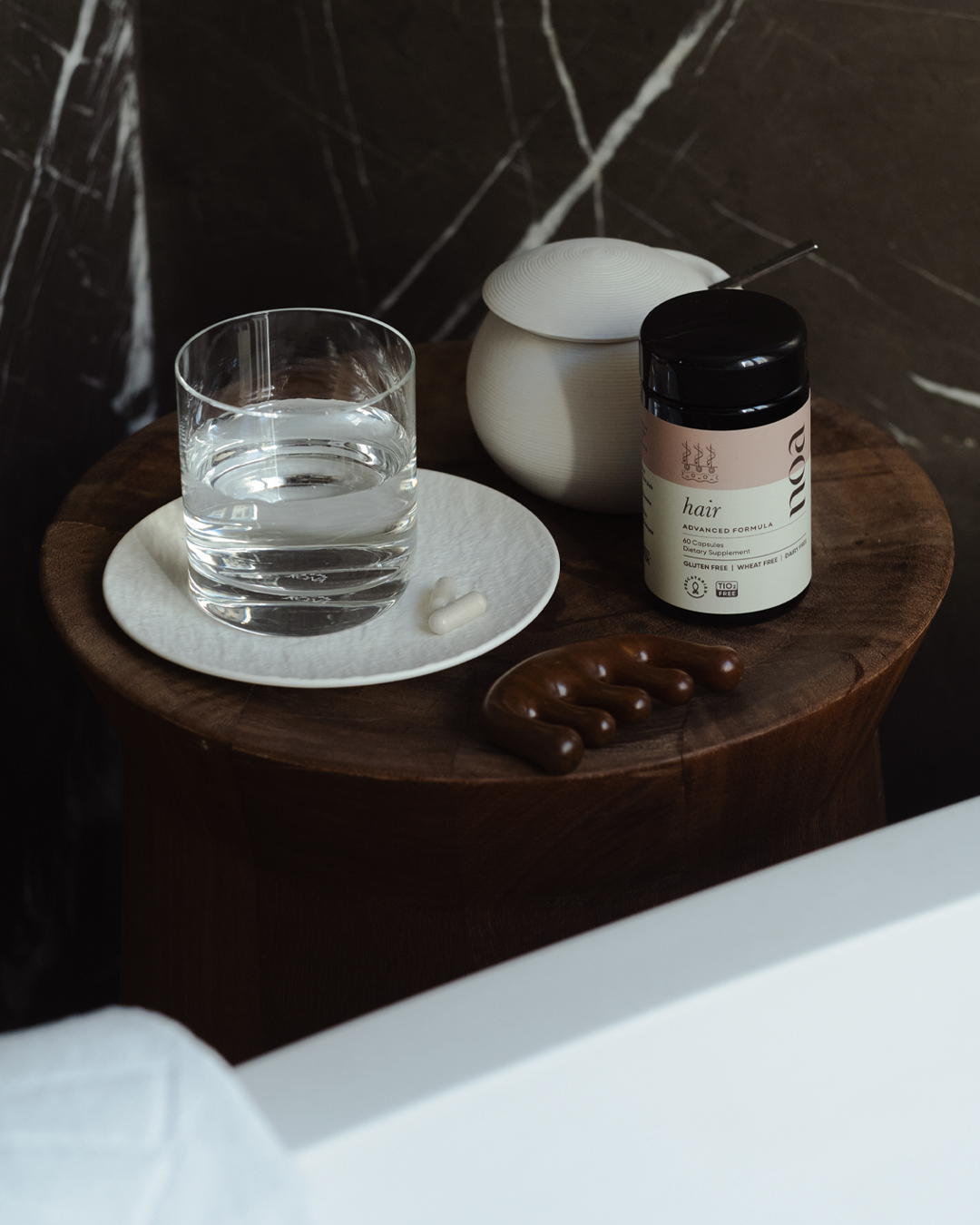
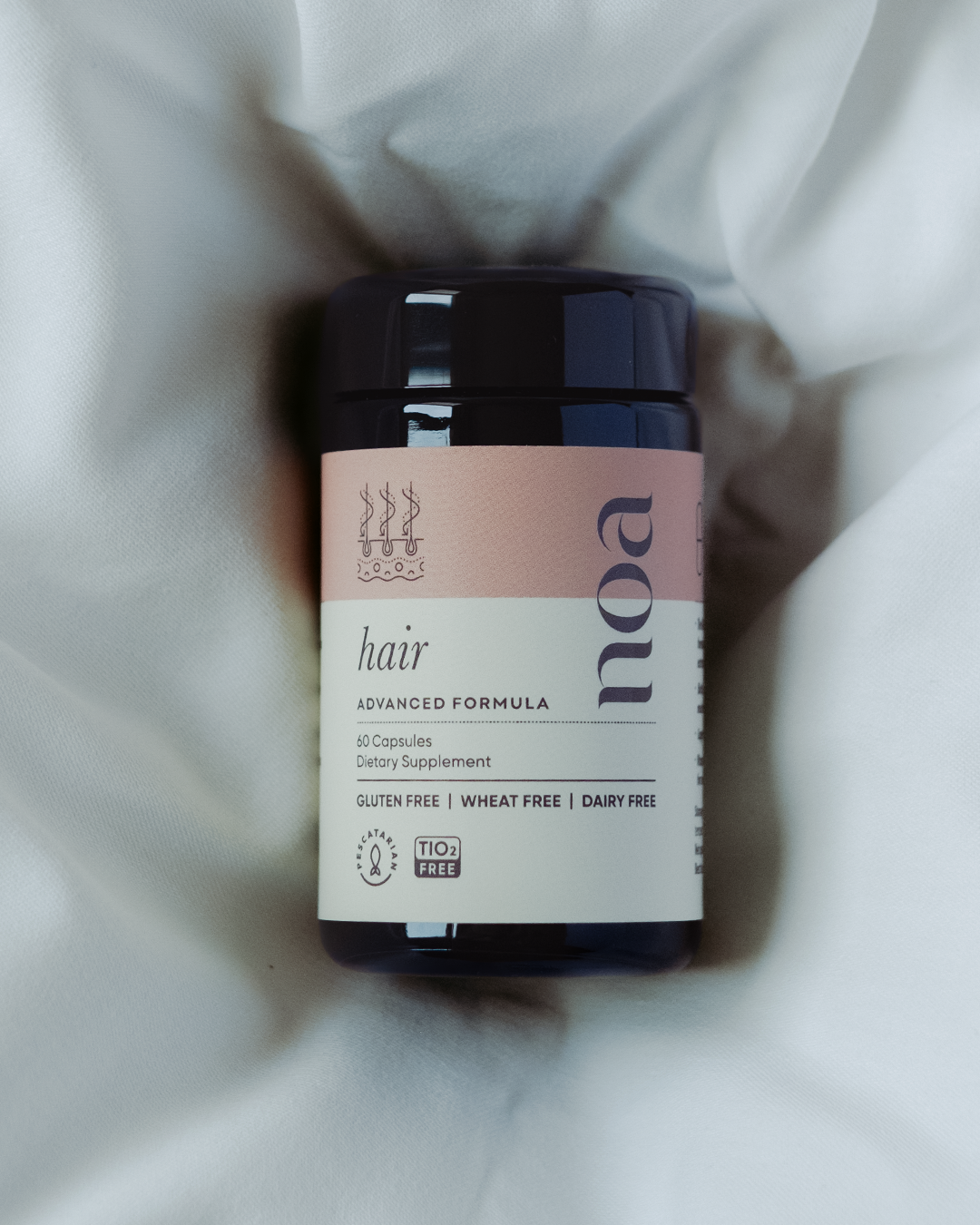
Many people choose to include targeted supplements such as NOA Hair as part of this broader approach, combining carefully selected nutrients with healthy lifestyle habits to support normal hair maintenance. Rather than replacing a balanced diet, supplements are intended to complement an overall wellness routine.
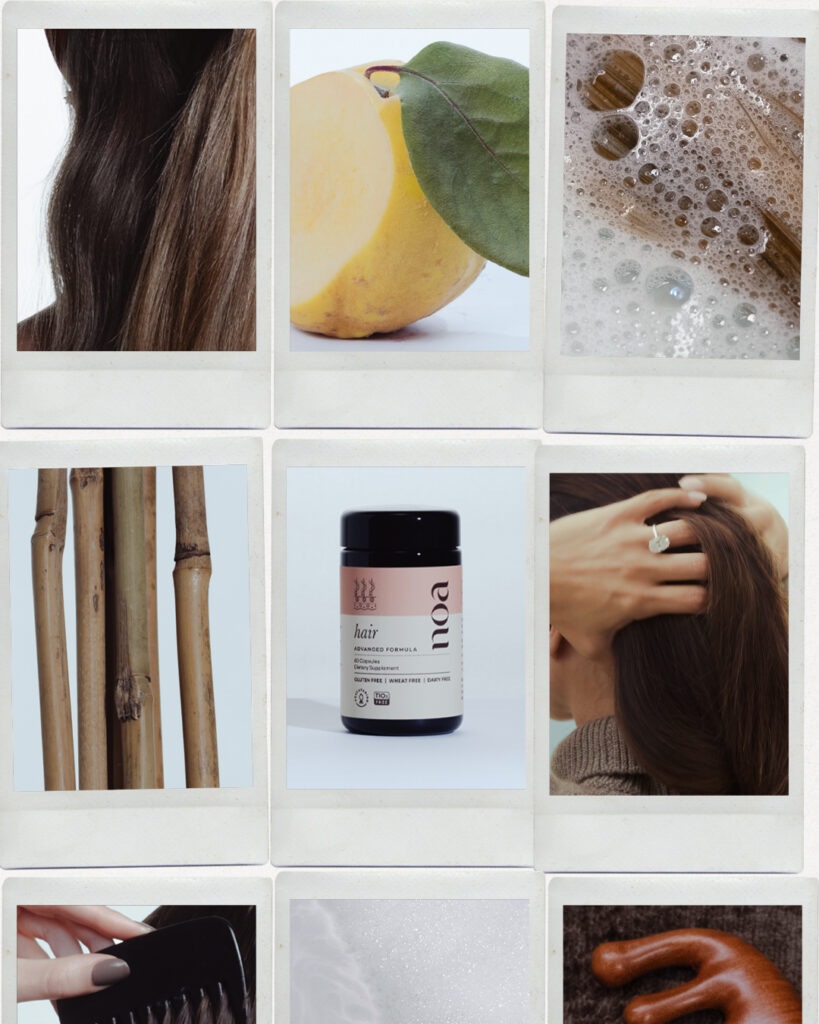
Healthy hair reflects overall wellbeing
Hair is often described as a mirror of general health, and there is truth to this idea. The condition of your hair is influenced by a combination of genetics, lifestyle, nutrition, stress levels and natural hormonal changes. While some of these factors cannot be controlled, many everyday habits contribute to creating a healthier environment for hair to grow. Looking after your overall wellbeing is therefore not only beneficial for your body, it can also help support healthy-looking hair over time.
Final thoughts
Hair changes are rarely random. They often reflect the body’s natural ability to adapt to different stages of life, daily habits and internal processes. Hormones are one important part of this picture, quietly helping regulate the environment where new hair begins. Rather than searching for instant solutions, understanding how the body works allows us to take a more balanced approach to hair wellness, one built on patience, consistency and long-term care.
FAQ
Can hormones affect how my hair looks?
Yes. Hormones help regulate the natural hair growth cycle and may influence changes in texture, thickness and overall hair appearance.
Why does my hair seem different even though I haven’t changed my routine?
Hair often reflects internal processes that occurred weeks or months earlier, including natural hormonal changes and lifestyle factors.
Do hormonal changes always cause hair loss?
Not necessarily. Hormonal fluctuations may influence many aspects of hair, including texture, volume and manageability, and experiences vary from person to person.
Can healthy habits support hair during hormonal changes?
Balanced nutrition, quality sleep, stress management and consistent self-care all contribute to overall wellbeing, which supports the body’s natural processes.
Where does healthy hair actually begin?
Healthy-looking hair begins inside the hair follicle, where new strands develop before becoming visible above the scalp.